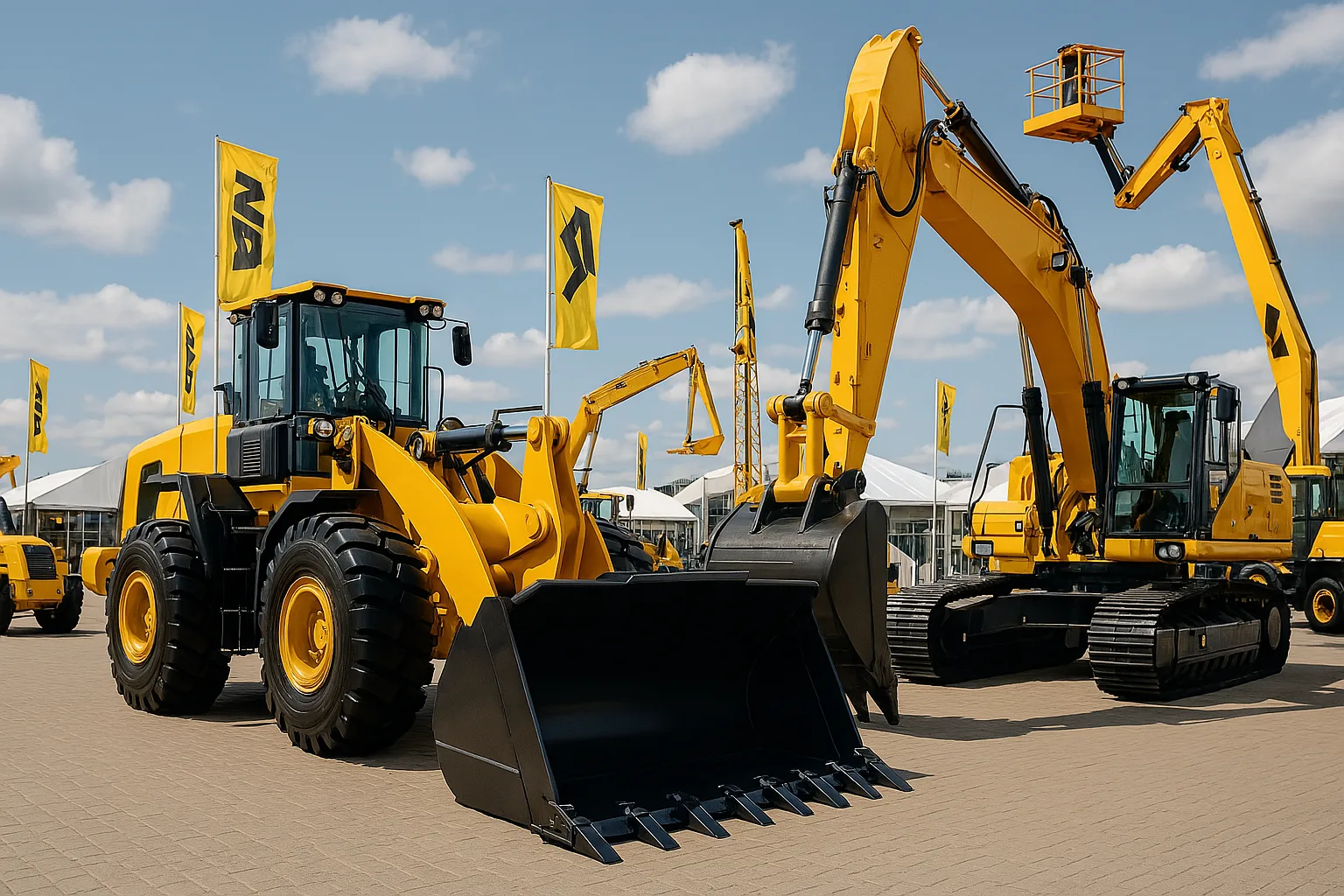
Construction Equipment in Russia: Rentals, New-Product Reviews, From Foundation to Roof, and Design Assistance
Russia’s construction landscape spans dense urban projects in Moscow and St. Petersburg to remote, climate-challenging builds in Siberia and the Arctic. Whether you’re renting for a short job, buying new or used machines, reviewing the latest models, or integrating equipment choices into design and BIM workflows, this guide brings practical, Russia-specific insight from site prep to final roof.
Quick overview: What matters in the Russian market
— Wide geography and climate extremes (deep freezes, permafrost, mud seasons) shape equipment selection and maintenance.
— Logistics and spare-parts availability affect uptime — choose machines with reliable dealer networks or robust aftermarket support.
— Labor and operator availability influence whether to rent machines with crew or hire local operators.
— Urban projects favor compact, low-emission, electric/hybrid solutions; remote projects require robust diesel-powered tracked machines with heated cabs and winterized systems.
Renting vs Buying: How to decide
Consider these factors:
— Project length and utilization rate: rent for short-term or intermittent use; buy if utilization >50% over a year and maintenance capability exists.
— Capital vs operating expense: rental shifts to OPEX; purchasing ties up CAPEX but may reduce long-term costs.
— Availability of local service and parts: if dealer support is limited, rental can deliver machines with guaranteed maintenance.
— Flexibility: Renting allows access to specialized attachments and the newest models without commitment.
Checklist for decision:
— Expected hours per month/year
— Project timeline and seasonality
— Maintenance staff and facilities
— Financing rates, tax treatment, and depreciation
— Resale value and market for used units in Russia
How to evaluate new equipment (product-review checklist)
When reviewing a machine for Russian conditions, evaluate:
— Engine and emissions: fuel efficiency, compliance with local/EU/Tier standards, cold-start behavior
— Hydraulics and responsiveness: stability under heavy load and at low temps
— Undercarriage and frame durability: for muddy, frozen, or abrasive soils
— Cab comfort & heating: efficient cabin heaters, pre-heating systems, insulated wiring
— Cold-weather features: engine block heaters, glow plugs, winter fuel systems, seals and materials suited for -40°C
— Serviceability: ease of daily checks, filter access, on-board diagnostics
— Parts network in Russia: authorized dealers, spare parts stock, lead times
— Telematics and diagnostics: remote monitoring, preventive alerts, and compatibility with fleet systems
— Attachments ecosystem: availability and interchangeability for buckets, breakers, grapples, etc.
Perform a field test: full-load operation, hydraulic response, noise/vibration, fuel consumption, visibility and maneuverability in confined Russian urban sites.
Equipment by construction phase (foundation to roof)
Practical equipment list with Russian considerations:
— Site preparation and earthworks
— Dozers and tracked excavators: choose tracked for soft/muddy sites and permafrost areas
— Motor graders and dump trucks: for roads and site access
— Mulchers/forestry equipment: clearing in rural and boreal zones
— Foundations and substructure
— Piling rigs and CFA rigs: for deep foundations, including permafrost solutions
— Drilling rigs and augers: soil investigation and anchoring
— Backhoe-loaders and compact excavators: trenches, footing excavations
— Concrete mixers, batch plants, mobile pumps: consider winter concreting measures and heated admixtures
— Vibratory compactors and plate compactors: soils must be compacted for frost protection
— Superstructure and heavy lifting
— Tower cranes and mobile cranes: ensure wind/tip conditions and frost-safe rigging
— Telescopic handlers and forklifts: for material handling in cold yards
— Telehandlers with winter kits: heated cabins, cold-resistant hydraulics
— Building envelope and roofing
— Boom lifts, scissor lifts, suspended platforms: for façade and roof access in cities with strict safety regs
— Roofing conveyors and cranes for heavy roof materials
— Mini-excavators and compact loaders for tight urban sites
— Finishing and mechanical trades
— Compressors, generators, welding sets: choose cold-start capable units and fuel conditioning for diesel
— Scaffolding and modular access systems: rentable for short-term façade work
— Small power tools: battery options are increasingly suitable for indoor urban finishing
Design assistance and integrating equipment into projects
— Early-stage involvement: consult equipment specialists during schematic design to optimize site layout, crane lifts, and logistics.
— Crane and lift studies: plan crane types, radius, counterweights, and road closures in advance to avoid costly changes.
— Foundation design vs machinery loads: coordinate pile layout and slab design with machine wheel/track loads and lifting points.
— BIM and equipment modeling: incorporate machinery envelopes (crane swing, boom reach) into BIM clash detection and site sequencing.
— Logistics simulation: model delivery routes, laydown areas, and winter storage to minimize daily site disruptions.
Maintenance, winterization, and uptime strategies
— Daily/weekly checks: fluid levels, filters, greases, track tension, tire pressure, lights and heaters.
— Winter prep essentials:
— Use winter-rated diesel and fuel additives to prevent waxing.
— Install engine block heaters and battery warmers; check coolant antifreeze ratios.
— Replace standard hydraulic oils with low-temperature grades as recommended.
— Protect cabins: window defrosters, insulated hoses, and reliable diesel pre-heating.
— Preventive maintenance: use telematics for oil-change reminders, vibration alerts, and fuel consumption anomalies.
— Spare-parts policy: keep critical consumables (filters, belts, hoses, pins) in stock for remote projects.
— Operator training: qualified operators prolong machine life and reduce accidents — include cold-weather operation procedures.
Safety, certification and regulation (Russia-focused)
— Follow national construction norms and standards (SNiP and related regulations) and local municipal requirements.
— Crane and lifting operations require certified specialists and documented inspection records.
— Rental agreements should specify responsibility for inspections, technical passports, and certifications.
— Ensure operator certifications are valid and that PPE meets Russian safety standards.
— Insurance: verify liability, hull, and third-party coverage for rented and owned equipment.
Rentals: what to check in contracts
—